
What Is The Role Of Audio Quality In Video Production?
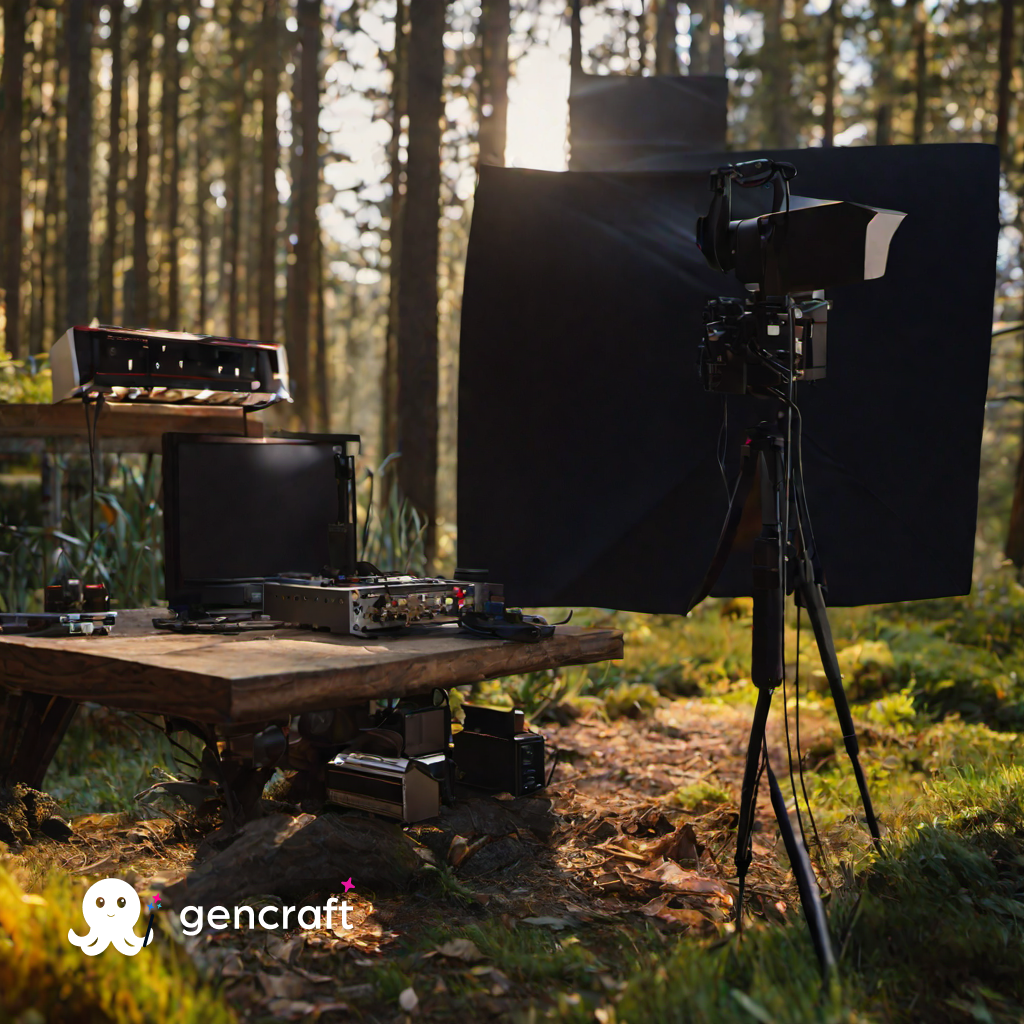
According to recent studies, audio quality plays a crucial role in viewer engagement and overall satisfaction in video production. In fact, research shows that 80% of viewers are more likely to watch a video to completion if it has high-quality audio. This statistic highlights the significance of audio quality in captivating and retaining audience attention.
The role of audio quality extends beyond mere engagement; it enhances the storytelling experience and adds depth to the visual content. Precise and detailed sound design can evoke emotions, create a sense of immersion, and effectively convey the intended message. Consequently, video producers must prioritize audio quality in their production process to ensure a seamless and impactful viewing experience.
Achieving high-quality audio involves various technical considerations, such as proper microphone placement, audio mixing, and mastering. Additionally, it is crucial to avoid common audio mistakes that can compromise the overall quality, such as background noise, inconsistent volume levels, and poor synchronization.
In this article, we will explore the role of audio quality in video production, discussing its impact on viewer engagement, the storytelling experience, and providing tips and techniques for optimizing audio quality. By understanding and implementing these strategies, video producers can elevate their productions and deliver exceptional audiovisual experiences to their audience.
Key Takeaways
- High-quality audio is essential for viewer engagement and satisfaction in video production.
- Audio quality enhances the storytelling experience and adds depth to visual content.
- Proper microphone placement, audio mixing, and avoiding common audio mistakes are essential for achieving high-quality audio.
- Thorough sound tests and rehearsals are crucial in all stages of video production to ensure optimal audio quality.
The Impact of Audio Quality on Viewer Engagement
The impact of audio quality on viewer engagement is a critical factor to consider in video production as it has been shown to influence audience attention and emotional response significantly.
Research has demonstrated that audio quality directly affects brand perception, with high-quality audio conveying professionalism and trustworthiness. To ensure better audio levels and pacing, video marketing campaigns aiming to create a positive impression of the brand should prioritize capturing and maintaining the viewer’s interest.
A study by the University of Southern California found that participants were more likely to engage with videos with superior audio quality, leading to increased brand recall and a higher likelihood of sharing the content.
Enhancing the Storytelling Experience through Sound
Enhancing the storytelling experience through sound involves utilizing various techniques to create a more immersive and captivating audio environment for the audience. One interesting statistic is that 85% of viewers believe that sound quality is just as important as video quality in video production, highlighting the significance of sound in creating a compelling narrative.
- Sound Design Techniques: Implementing sound design techniques, such as layering different audio elements and using effects, can enhance the mood and atmosphere of a scene, effectively conveying emotions and enhancing the narrative.
- Importance Of Foley Effects: Foley effects, which reproduce everyday sounds added during post-production, are crucial in creating a realistic auditory experience. These effects include footsteps, cloth rustling, and other subtle sounds that bring the visuals to life.
- Immersion And Engagement: High-quality audio enhances the audience’s sense of immersion, making them more engaged with the story and characters. It helps in creating a more memorable and impactful viewing experience.
- Emotional Impact: Sound can evoke emotions and enhance the overall emotional impact of a scene. It can create tension and suspense or evoke empathy, heightening the audience’s emotional connection to the story.
Technical Considerations for Achieving High-Quality Audio
This discussion will focus on two key technical considerations for achieving high-quality audio in video production:
- Choosing the right microphone and recording equipment, and
- Properly capturing and mixing audio.
The appropriate microphone and recording equipment is crucial for capturing clear and accurate sound. Factors such as the type of microphone, its polar pattern, and the recording device’s specifications must be carefully considered to ensure optimal audio quality.
Properly capturing and mixing audio involves techniques such as:
- Setting proper levels
- Minimizing background noise
- Balancing audio elements to create a cohesive and immersive sound experience.
Choosing the Right Microphone and Recording Equipment
Choosing the appropriate microphone and recording equipment is crucial in ensuring optimal audio quality in video production. The microphone choice depends on various factors, including the intended use, environment, and desired sound quality.
Different types of microphones, such as dynamic, condenser, and lavalier, offer unique characteristics and are suitable for different applications. The quality of microphone preamps and recording equipment can significantly impact the audio signal’s fidelity and clarity.
High-quality preamps minimize noise and distortion, resulting in cleaner audio recordings. In audio post-production, the choice of equipment also affects the ability to manipulate and enhance the recorded audio.
Properly Capturing and Mixing Audio
Properly capturing and mixing audio requires meticulous attention to detail and precise manipulation of microphone and recording equipment settings for seamless integration into the video production process.
Effective capturing techniques involve strategically placing microphones in the appropriate positions to ensure optimal sound quality and minimize unwanted noise. This includes considering proximity to the sound source, directionality, and microphone sensitivity.
Audio mixing is crucial in enhancing the overall audio quality. It involves adjusting various audio elements, such as volume levels, equalization, and panning, to achieve a balanced and cohesive sound. Skillful audio mixing can greatly enhance the viewer’s experience by creating a more immersive and engaging atmosphere.
Common Audio Mistakes to Avoid in Video Production
One of the most critical factors to consider in video production is avoiding common audio mistakes, as they can significantly impact the emotional immersion of the audience. Audio troubleshooting plays a vital role in ensuring high-quality audio in video production.
Some common audio misconceptions that must be avoided include neglecting microphone placement, improper gain staging, and overlooking room acoustics. Neglecting microphone placement can result in poor sound quality and unwanted background noise.
Improper gain staging leads to distorted audio or low signal levels, affecting overall audio clarity. Overlooking room acoustics can introduce unwanted echoes or reverberations that diminish the overall audio quality.
Tips for Optimizing Audio Quality in Video Production
This discussion will focus on two key points for optimizing audio quality in video production: conducting sound tests and rehearsals and using audio editing software to enhance sound.
Conducting sound tests and rehearsals is essential to ensure that the audio equipment functions correctly and the sound levels are balanced. Using audio editing software allows for precise adjustments to the audio, such as removing background noise, equalizing frequencies, and adding special effects if needed.
Conducting Sound Tests and Rehearsals
Conducting sound tests and rehearsals is essential in ensuring optimal audio quality in video production; as the saying goes, ‘measure twice, cut once.’ Filmmakers can identify and address audio issues by conducting these tests and rehearsals before the final shoot.
This helps to avoid costly and time-consuming re-shoots or audio post-production fixes. Sound tests involve checking the quality of the audio recording equipment, ensuring proper soundproofing techniques are in place, and evaluating the ambient noise levels.
Rehearsals, on the other hand, allow the audio team to coordinate with the cast and crew, ensuring everyone knows the sound requirements and the proper positioning of microphones. The table below illustrates the importance of sound tests and rehearsals in different stages of video production.
| Stage of Production | Importance of Sound Tests and Rehearsals |
| Pre-production | Ensures proper soundproofing techniques are in place and equipment is functioning correctly. |
| Production | Helps identify and address any audio issues during filming. |
| Post-production | Minimizes the need for extensive audio post-production fixes. |
Using Audio Editing Software to Enhance Sound
Utilizing audio editing software allows for the enhancement of sound to achieve a more refined and polished auditory experience in the realm of filmmaking. Audio restoration techniques can be employed to remove unwanted noise, such as clicks, pops, and background disturbances, to improve overall sound quality.
This process involves using various tools and filters to isolate and remove specific frequencies or audio artifacts. Audio post-production techniques can be applied to adjust volume levels, balance audio elements, and create a more immersive sound environment.
By carefully manipulating and refining the audio elements, filmmakers can ensure that the sound complements the visuals and enhances the viewing experience. Audio editing software provides the necessary tools and precision required to achieve mastery in audio post-production.
Conclusion
The role of audio quality in video production cannot be overstated. Its impact on viewer engagement is profound, as it enhances the storytelling experience through the power of sound.
Technical considerations are crucial in achieving high-quality audio, and avoiding common mistakes is imperative. Video producers can create a mesmerizing auditory experience that captivates the audience by optimizing audio quality.
So, let us not underestimate the significance of audio quality in video production, for it is the symphony that orchestrates the visual masterpiece.